What began as a small pilot program has grown into a mixed-age learning community serving students from Kindergarten through Grade 4. The vision was simple: Create a space where children could learn through authentic experiences, meaningful projects, real responsibility, and direct interaction with the natural world.
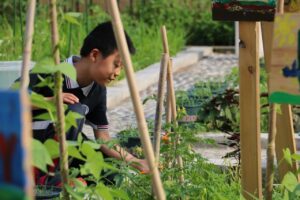
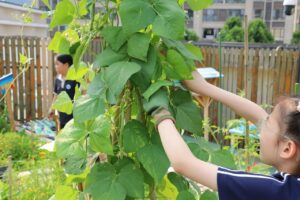
When a child spends months caring for a plant, observing changes, solving problems, adapting to challenges, and eventually harvesting food, that child is learning far more than gardening. They are learning patience, stewardship, observation, responsibility and that meaningful results often emerge from consistent effort over time.
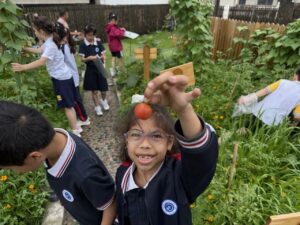
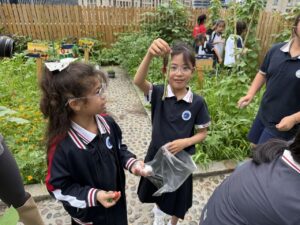
Learning From Living Systems
Throughout the year, students participate in both hands-on investigations and direct instruction. Using multimedia presentations, demonstrations, discussions, observations, and field experiences, students explore topics such as:
• pollinators and ecosystems
• healthy soil systems
• composting and earthworms
• regenerative agriculture
• food systems
• plant biology
• beneficial fungi and bacteria
• biodiversity and ecological relationships

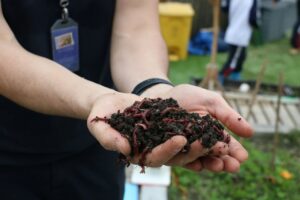
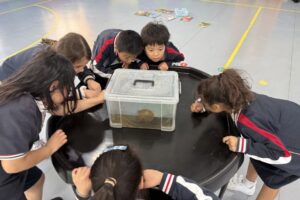
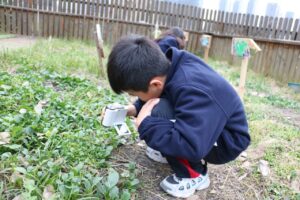
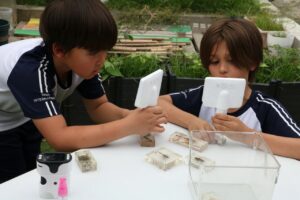
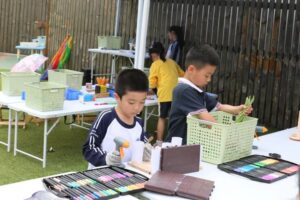
They explore important questions surrounding modern agriculture, including soil erosion, declining soil health, biodiversity loss, and the effects that intensive pesticide use can have on ecosystems and pollinator populations. Most importantly, they experience these ideas directly through ongoing interaction with a living environment.
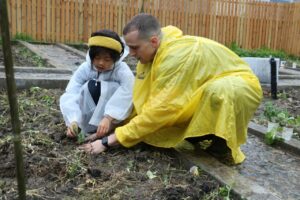
A Mixed-Age Community
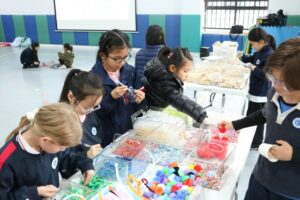
One of the most unique aspects of Little Farmers Club is its mixed-age structure. Students from Kindergarten to Grade 4 learn together within a single learning community.
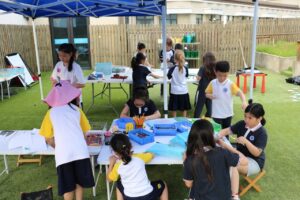
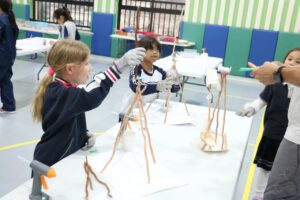
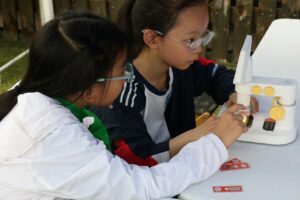
Some of the most meaningful moments occur when older students naturally step into leadership and mentorship roles. They help younger children solve problems, support literacy and writing tasks, lead small groups, and simply offer a helping hand when it is needed.
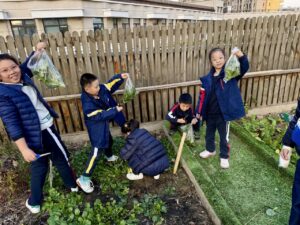
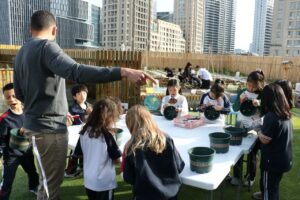
While younger students benefit from the experience, leadership, and support of older peers, older students are often inspired by the creativity, curiosity, enthusiasm, and fresh perspectives that younger children bring to the community. Friendships form across grade levels that might otherwise have few opportunities to interact during the regular school day.
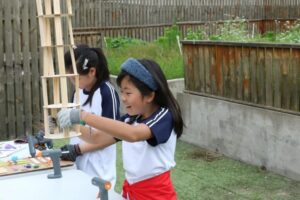
Beyond the Club: Building Community
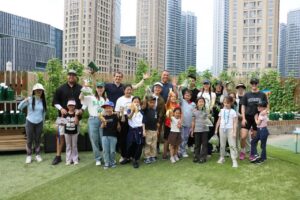
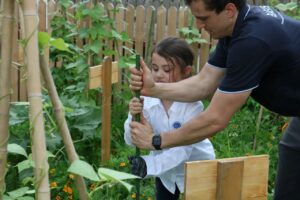
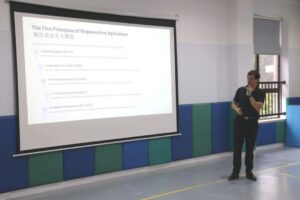
One of the most exciting developments this year has been the growing involvement of families in Little Farmers Club. On Saturday, May 30th, we hosted our first Parent Volunteer Day, welcoming families to the rooftop for a morning of learning and service. The morning began with a brief presentation introducing several core principles of regenerative agriculture, including healthy soil systems, keeping soil covered with living plants and natural mulch, and why we often trim unwanted plants rather than pulling them out by the roots.
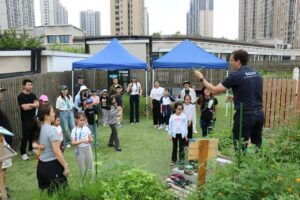
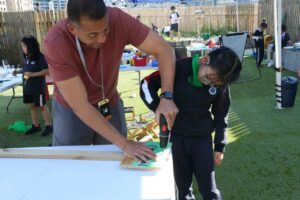
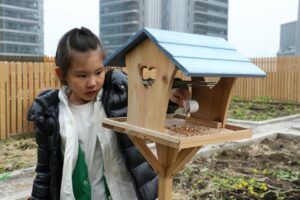
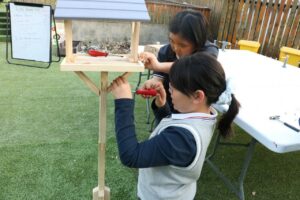
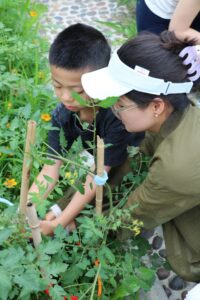
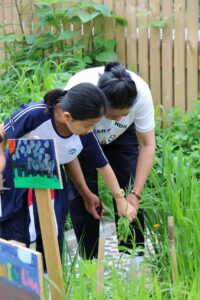
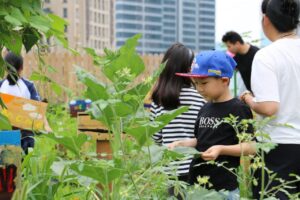
Afterward, parents and children worked side by side helping maintain the rooftop farm, supporting crops, improving growing structures, and preparing the garden for the next phase of the season. For many families, having access to a thriving rooftop farm and nature-based learning environment in the heart of a Tier 1 city is a rare opportunity. As the program continues to grow, we look forward to creating even more opportunities for family involvement and community partnership in the years ahead.
Looking Ahead
Our future plans include deeper student-led inquiry projects, expanded maker-centered learning opportunities, additional technology integration through tools such as Arduino and Raspberry Pi, new ecological investigations, and even greater opportunities for student leadership.
The goal was to cultivate curious, capable, creative, and connected young people. That work is only beginning.

Nicholas Carlomany
Primary School Humanities Teacher
Founder & Program Coordinator, Little Farmers Club
BASIS International School Hangzhou
For more information about teaching abroad with BASIS International & Bilingual Schools, visit our careers website.
